
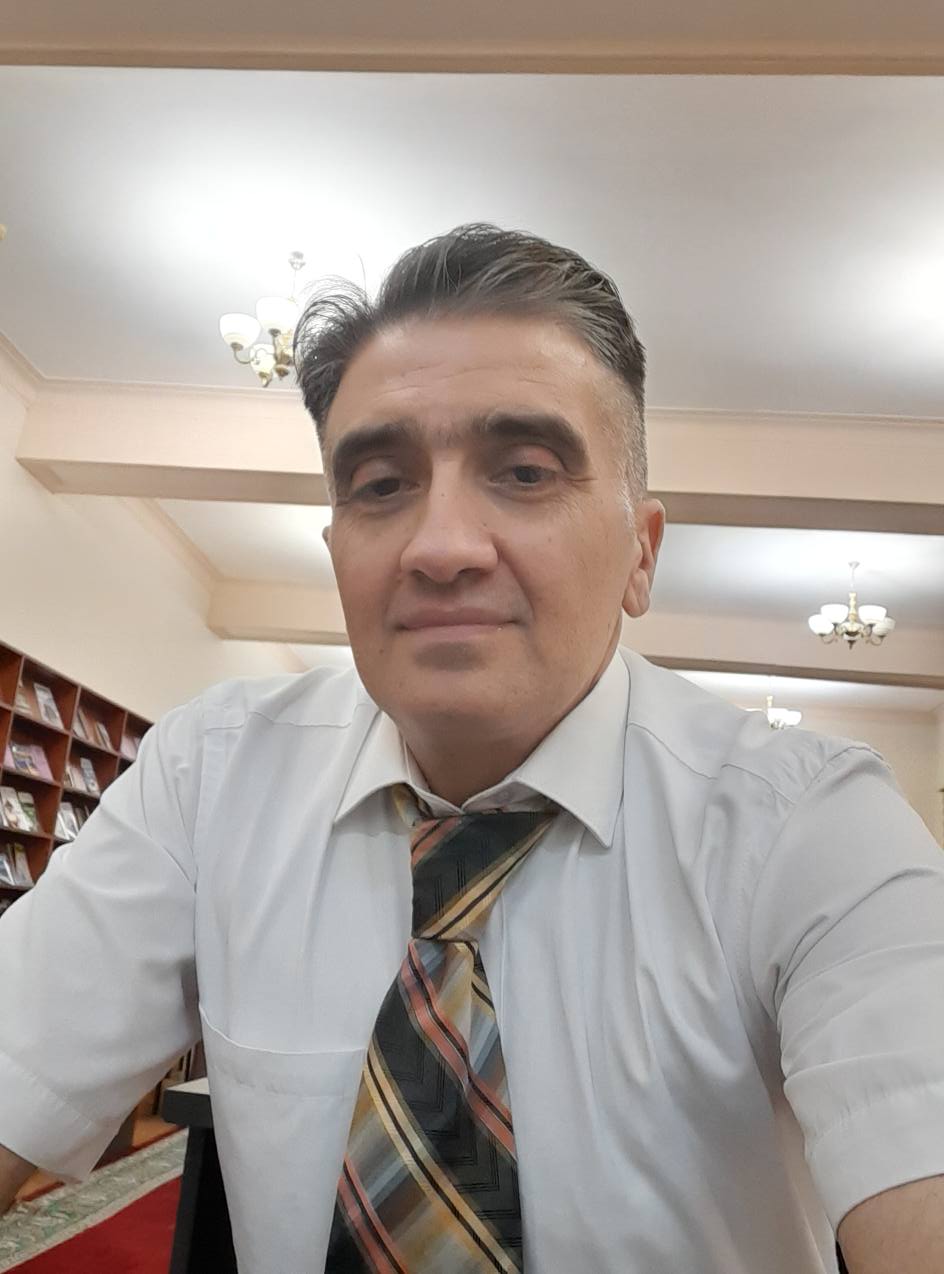
Arçutlu (Ardıclı) gənclərin inkişaf konsepsiyası
İkinci yazı
Arçutlu gənclərin inkişaf konsepsiyalarının əsasları
Gəncliyin avanqardı, qazancı onun ideyalarından sıx asılıdır. İdeyaların tətbiqi fiziki və material aləmi yönləndirir. Gənc düşünür, yeni-yeni törəmə ideyalarla çıxış edir. İdeyaları cəmləşdirir, sistemləşdirir və həyatın axarına çevirir. İdeyalar baza və törəmə xassələrini özündə əks etdirir. İnkişaf prosesləri zaman-zaman törəmə ideyaları baza ideyalara çevirir. Gənc öz yaradıcılığı və quruculuğunu ideyaları üzərində reallaşdırmağa çalışır. Rasional, həyata ciddi baxışları özündə ehtiva edən ideyalar həyatın özünün strateji və taktiki təminatı üçün mühüm rol oynayır. Gəncin ideyaları şablonları inkar edir, yeni strukturlaşmanı özündə ehtiva edir. Nəsilləri əvəzləyən Arçut gəncliyi keçmişi birdəfəlik silmək istəyində olmayıb və indi də buna çalışmır. Əksinə, keçmişi baza və fundament bilir, yeni strukturlaşmanı də baza üzərində qurur. Keçmiş bazadan qıdalanır. Məsələn, adət-ənənələr, ictimai vərdişlər irsi bir xətdir, dəyərdir. Adət-ənənələrdən imtina tarixdən, cəmiyyətin keçmiş dəyərlərindən imtina deməkdir. Buna yol vermək olmaz. Keçmişin unudulması, təhrif olunması yeni inkişaf konsepsiyasını baza etibarilə yararsız edər. Bu yöndə gələcək xətlər, ideya qovşaqları özündə tarixi aspektləri də əks etdirməlidir. Bazanın qorunmas yenilik üçün şərtdir və asan ideyaların ayaq tutub yeriməsinə zəmin yaradacaq. Qeyd: XX əsrin ortalarında Arçut gəncliyinin parlaq nümayəndələrindən biri olmuş, alim Yusif Xıdır oğlu Qazıyev kənd haqqında əhatəli kitablar yazmış və kəndin mədəni-sosial, təhsil və elm həyatını, təmsilçilərini əsərlərində qeyd etmişdir. Bununla da kəndin tarixini indiki və gələcək nəsillərə çatdırmaq missiyasını yerinə yetirmişdir. XX əsrin 70-80-ci illərində Arçutun gəncliyini təmsil etmiş şəxslərdən biri olan, memar Şakir İbrahimxəlil oğlu Məmmədov hal-hazırda “Arçut ziyalıları konsepsiyası”nın icrasını həyata keçirir və bir tərəfdən keçmiş ziyalıları indiki nəslə təqdim edir, digər tərəfdən də mövcud ziyalı irsinin fəaliyyətini araşdırır və bununla da gələcək üçün irs yaradır. Ötən əsrin 80-90-cı illərinin gəncliyinin parlaq nümayəndələrindən biri olan şair İbrahim Dağlaroğlu şeirlərində öz doğma Arçut kəndini daha çox tərənnüm edir. Həmçinin şairlərdən Həmid Qəhrəmanoğlu və Şükurət Eminov ötən əsrin 60-80-ci illərinin kənd gəncliyinin parlaq nümayəndələri olaraq yaradıcılıqlarında kəndə də böyük yer ayırırlar. Həmin dövrün gənclərinin nümayəndələrindən bir olan, tarix müəllimi Səyyad Rəfiyev öz doğma yurduna sevgidən irəli gələrək, kənd ota məktəbində tarix diyarşünaslıq muzeyi yaratmışdı. Deportasiya zamanı muzey eksponatlarından Bakı şəhərinə gətirərək, işlədiyi orta məktəbdə də eyni muzeyi təşkil etmişdir. Gəncliyin vaxtil gördüyü işlərə dair nümunələr olduqca çoxluq təşkil edir və müxtəlif sahələri əhatə edir.
Arçutlu gənclərin baza ideyalarının ilkin şərti kəndin özünü, keçmişini, indiki mövcudluğunu qoruyub saxlamaq və sağlam şəkildə gələcəyə ötürməkdən ibarətdir. Sağlam estafeti ötürmək həm vəzifə, həm də şərəfdir. Ümumiyyətlə, inkişafa yönəlik ideyalar özlüyündə həyatı prinsipləri əks etdirməli və doğmalıq ruhunu daşımalıdır. Belə ideyalara aid etmək olar:
Arçut gənclərinin əsas şüarları
“Arçutumuzu heç kəsə verə bilmərik; çünki, O, bizim Ardıcımızdır! Böyüklərimiz ağacları əmanət qoyub gəliblər. Biz geriyə dönüb onları öz əllərimizlə sulamalıyıq!”
“Allah əcdadlarımıza rəhmət eləsin! Öz doğma Arçut kəndlərinin Ardıc ağacı mənasını heç zaman erməninin öz dilində səsləndirdiyi ayı yozumuna təslim etməyiblər! Deməli, ulu kəndimiz mübariz və vətənpərvər olub! Biz o yolun davamçılarıyıq!”
Qeyd: Görünür ki, ideyalar ümumiləşdiricidir. Baza hədəfdə qürbətdə qalan kəndin düşüncələrdə və qəlblərdə yaşadılmasını şərtləndirir. Bu gün Arçutəsilli gənclər öz şərfəli keçmişləri ilə qürur duyurlar və tarixi öyrənərək irsi ənənəni layiqincə davam etdirirlər. Məsələn, kənd əsilli rəssam Zeynəb Elşən qızı Nəsibli (Zeynəb Ardıc) öz yaradıcılığında ulu kəndini də unutmur. 2023-cü ildə çəkdiyi və “Arçut peyzajı” adlandırdığı rəsm əsərini öz kəndinə hədiyyə etmişdir. Eynilə, Arçut əsilli daha bir gənc Fərid Əli oğlu Oruclu tibbi həkim kimi yetişmiş, ali təhsil almış və indi öz əməli-praktiki fəaliyyəti ilə kənd gəncliyinin nümunəsini yaratmışdır. O, Arçutda ötən əsrin ortalarından formalaşmağa başlayan rasional tibbin parlaq davamçılarından birinə çevrilməkdədir.
“Gəncliyin ruhu saf, əməli salehdir. Uşaq, yeniyetmə və gənclərə önəm vermək, onlara yön göstərmək, yardım etmək müqəddəs və bəşəri vəzifədir, öhdəlik və məsuliyyətdir. Gənc –tarixi keçmişin, dünənin, bu günün və sabahın sələfi və xələfidir. İrsi daşıyan bağlayıcı bənddir, körpüdür. Buna gör də insanlığın mərkəzində qərarlaşan avanqard gücdür, qüvvədir! Gənclərdən yararlanmaq, onların potensialına arxalanmaq lazımdır. Gənclik həyatın, cəmiyyətin inkişaf konsepsiyasının mütəhərrikidir!”
“Arçutlu gənclər dəyərli irsdir. Onlar müqəddəs və ulu kəndin, ana Vətənin dayağıdır. Onlar yaddaşları qoruyan, təzələyən və irsən ötürən varisdirlər, estafeti daşıyandırlar! Zamanları bağlayan tellərdir, ötürücü körpülərdir. Arçutlu gənclər cəmiyyətin inkişafını çiyinlərində və ruhlarında daşıyan və nəhəng potensiala sahib olan böyük bir komandadır, ordudur. Onlar Arçut mirasının daşıyıcıları, bu yolda inanılacaq, güvəniləcək ən böyük kəmiyyət və keyfiyyət qüvvələridir! Arçutlu gənclər kəndin əbədi yaddaşının məbədidir!”
Arçutlu (Arçutda doğulan, boya-başa çatan) həmçinin Arçut (valideynləri Arçut kəndindən olan) əsilli gənclərin inkişaf konsepsiyaları retrospektiv (geriyə baxış) və perspektiv (gələcəyə baxış) ideyaların sintezindən ibarətdir. Mövcud zaman isə bu iki mərhələni bir-birinə bağlayır. Zaman trayektoriyasında həyat keçmişdən gələcəyə doğru axın edir, elementlərin passivlikdən aktivliyə keçidi yaşanır. Bu keçid və müəyyənlik, aktivlik yeni-yeni dəyərləri özündə əks etdirir. Dəyərlər də inkişaf dalğasını yaradır. Gənclər bu inkişaf xəttində öz əcdadlarını axtarmalı və sağlam gələcək qurmaq üçün keçmişini bilməlidirlər. Onlar bu biliklər üzərindən özlərini dərk etməlidirlər və gələcək inkişaf istiqamətlərini keçmişin dəyərlərinə bağlamalıdırlar. Keçmişin dəyərləri itki kimi qəbul edilməməli, əksinə mövcud və gələcək zaman üçün baza elementlər toplusu rolunu oynamalıdır. Gənc fikirləşməlidir ki, keçmişdən nəticə çıxarmaqla mövcud həyatını mənalı etməli və perspektiv layihələr, planlar üzərində işləməlidir.
Gənclik mövzusu qanunvericiliyin, o cümlədən dövlət proqramlarının, strategiya və konsepsiyalarının əsaslarından birini təşkil edir. Bu yöndə “2015-2025-ci illərdə Azərbaycan gənclərinin İnkişaf Strategiyası”nda gənclərin vəzifələri ilə bağlı maraqlı fikirlər yer alır. Onların proseslərin önündə olması, tarixən və indiki zamanda ölkənin ictimai-siyasi, sosial-iqtisadi, və mədəni həyatında fəal rolları vurğulanır. Gənclərin mədəniyyətlərarası dialoqun aparılmasında, beynəlxalq əməkdaşlığın inkişafında fəallıqları qeyd edilir. Sənədə əsasən, Azərbaycan gəncliyinin çağırış və hədəfləri ümumbəşəri və daxilidir. Ümumbəşəri çağırış və hədəflər qoloballaşma ilə əlaqəlidir. Bura aid olunur: gənclərin ümumbəşəri dəyərlərə yiyələnməsi; informasiya cəmiyyətini yaşatmaq bacarıqlarının artırılması; müxtəlif ölkələrin gəncləri ilə dostluq və əməkdaşlıq münasibətlərinin yaradılması; beynəlxalq gənclər hərəkatında iştirak. Daxili çağırış və hədəflərə isə bunlar aid edilir: ictimai əmin-amanlığı təmin etmək məqsədilə mövcud sosial-iqtisadi imkanlardan gənclərin potensialını gücləndirmək, cavabdehliyini yüksəltmək üçün səmərəli istifadə olunmaq; vətənpərvərlik tərbiyəsi işini gücləndirmək. Strategiyanın baza məqsədləri içərisində gənclərin potensialından ölkənin mənafeyi üçün istifadə olunması məsələsi yer alır.
XX əsrin ikinci yarısında Arçut kəndində gənclərin bütün mümkün sahələrdə iştirakı təbliğ və təşviq edilirdi. Gənclərin elm və təsərrüfat həyatı mətbuatın, televiziyanın başlıca mövzusuna çevrilmişdi. Arçutlu Şura Dilbazov “Sovet Ermənistanı” qəzetinin 15 may 1986-cı il tarixli sayındakı “Gənc çoban” başlıqlı məqaləsində yazırdı: “Məhəbbət Xəlilovun işə başladığı ilk gündən üç il keçir. Bu qısa müddətdə O, öz bacarığı və əməksevərliyi ilə hamının hörmətini qazanmışdır. Ötən il gənc çoban öhdəsində olan sürünü gümrah bəsləmiş, hər qoyundan planla nəzərdə tutulduğundan 300 qram çox yun qırxmağa nail olmuşdur. Komsomolçu çoban cari ilə daha uğurla başlamışdır. O, bəslədiyi 392 baş ana qoyundan eyni sayda sağlam və gümrah quzu almışdır. Bu rəqəm təsərrüfatda ən yüksək göstəricilərdəndir. Məhəbbətin bəslədiyi qoyunlar öz gümrahlığı ilə də diqqəti cəlb edir. Bu il o, hər qoyundan əlavə olaraq 500 qram yun qırxmağı vəd etmişdir. Gənc çoban təcrübəli peşə sahiblərinin yaxın dostudur. O, tez-tez qabaqcıl çobanların yanında olur, yem təcrübəsini öyrənmək üçün böyük səy göstərir, faydalı məsləhətlər alır. M.Xəlilov həm də fəal ictimaiyyətçidir, kənd Sovetinin deputatıdır. Xalq elçisi kimi də onun barəsində razılıqla söhbət açırlar. El tərifi, el qiyməti gənc çobanı daha böyük ruh yüksəkliyi və həvəslə işləməyə səsləyir”.
Müəllif burada XX əsrin 80-ci illərinin gənclik konsepsiyasının əsaslarından birinə toxunur. Kənd gənclərinin kənd təsərrüfatının inkişafına olan meylini göstərir. Kənd təsərrüfatından ümumi, ictimai qazanclar əsasdır. Dövlətin, onun sovxozunun varlı olması, gəlirlə işləməsi o dövrkü kənd gənclərinin əsas əmək prinsiplərindən və prioritetlərindən sayılırdı.
Həyat ideyalarla addımlayır. İdeyalar istəkləri, arzuları özündə daşyan yollardır, düşüncələrdir. Kəndin qədim tarixi onda olan ənənələrin, vərdişlərin, həyata və təsərrüfata bağlılığın da əsaslarını özündə ehtiva edir.
Kəndin tarixi çox qədimdir. XVI əsr Osmanlı mənbələrində Güneyli Arçut Yenicə, Güney Pəmbəkdə Erçud kimi qeyd olunur. Arçutlu gənclərin inkişaf konsepsiyaları, yəni inkişaf yollarının, üsullarının, metodlarının, fəaliyyət, hərəkət variantlarının sistemli, mexanizmli və strukturlu ideoloji əsasları, normalara salınmış, standart formula və proqram, eləcə də strategiya əsaslı nəzəri müddəaları, fəlsəfi düşüncə prinsipləri başlıca olaraq, həm də şərti qeyd etməklə, iki mühüm mərhələni özündə ehtiva edir: birincisi, 1988-ci ilin dekabr ayına qədərki mərhələni; ikincisi, 1988-ci ilin dekabr ayından 2026-ci il də daxil olmaqla, əhatə olunan dövrü. Konsepsiya qanunauyğunluq kəsb edən nəzəri və təcrübi ideya və bilikləri, nailiyyətləri özündə ehtiva edir. Konsepsiyanın əsasları gerçəkliklərdən törəyən ideyalardan və reallıqlara tətbiq olunan düşüncələrdən ibarətdir. Bu baxımdan trayektorik məzmunda hər iki halda ortaya atılan ideya, təklif və təşəbbüs bir-birini şərtləndirir. Etiraf etmək lazımdır ki, Arçut gəncləri bütün bu dövr ərzində ideya və təcrübi əməllərlə artan templə yüksək səviyyədə inkişaf ediblər. Həm özlərini inkişaf etdiriblər, həm də əməlləri ilə cəmiyyətin tərəqqisini təmin ediblər. Onlar cəmiyyətdən qazandıqlarını həm özlərində saxlayıblar, özlərini zənginləşdiriblər, həm də cəmiyyətin özünə ötürüblər. Bu mübadilədən digərləri də qazanıblar. Passiv elementləri daha çox aktiv fazaya keçiriblər. Bu üsulla da inkişafa məruz qalıblar. Arçut gəncləri dünyəvi ruhda böyüyərək orta, orta ixtisas və ali məktəblərdə dünyəvi biliklərə yiyələniblər. İnkişafın əsasını maariflənməkdə, biliklər qazanmaqda, dünyanı əhatəli dərk etməkdə görüblər. Hadisələrə rasional, gerçək və dərin mahiyyəti üzrə baxmaq gənclərin prosesləri yüksək dərk etmək, tam təfsilatı ilə anlamaq məqsədlərindən və istəklərindən meydana gəlib. Rasional idrak, dünyəvi baxışlar və əməllər yeniyetmə və gənclərin nadanlıq, xurafat, mövhumat kimi qaranlıqlardan işıqlığa keçidini təmin edib. Bu baxımdan da dünyəvi bilik qazanmaq uğrunda sözün əsil mənasında marafon yarışı keçirilib. Qeyd: Arçut kənd orta məktəbində əlaçı şagirdlər arasında müxtəlif fənlər üzrə sual-cavab tərtib etməklə bilik yarışmaları təşkil edirdilər. Əlaçı oxuyanların adları məşhurlaşdırılırdı. Onlara cəmiyyətdə böyük hörmət göstərilirdi. Onlar həvəsə gətirilirdilər. Həmçinin qazandıqlarını da kəndə cəmiyyətə və xalqa ötürüblər. Bu gün də bu proses davam etməkdədir. Zamanla ayaqlaşmaq və zamana öz töhfəsini vermək Arçut gənclərinin vəzifəsini müəyyən edən ümdə prinsipləri özündə ehtiva edib. Onlar sözün əsil mənasında zamanlar arasında körpü yaratmaq qabiliyyətlərini, keçmişin, bu günün dəyərlərini gələcəyə ötürmək funksiyasını həyata keçirirlər. Gənclərin inkişafı onların ardıcıl qaydada əlaqə yaratmaları əsasında mövcud olub və öz artan tempini qoruyub saxlayıb. Əlaqələrin əsas mövzusu, əsas müzakirə mərkəzini yaradan amili elm, bilik, mədəniyyət, ədəbiyyat, incəsənət, idman, əyləncə və digər bu kimi amillərdən ibarət olub. Elm və təhsil yolu ilə dərketmə arealını genişləndirmək və həyata aydın, ziyalı təfəkkürlə baxmaq, irfan (böyük və əhatəli bilik) qazanmaq gəncləri kitaba, qəzet və jurnallara bağlayan amilləri özündə ehtiva edir. Gənclər mədəniyyət içərisində (erməni mədəniyyəti) mədəniyyəti qoruyub saxlayaraq öz milli irslərinə layiqincə sahib çıxmağı bacarıblar. Dünya mədəniyyətinə yiyələnmək və ədəbiyyatını mənimsəmək, öyrənmək gənclərin ümdə vəzifələrinə aid olub. “Evində kimin daha çox kitabı var”, şüarı əksər gənclərin polemika mövzusu olub və gənclər daim öz şəxsi kitabxanaları ilə fəxr ediblər. Arçut kəndində evlərdə kitab rəfləri və kimin daha çox kitab oxuması bir dəb halını alıb. İftixar hissinin, şərəf duyğusunun əsas predmeti olub. XX əsrdə gənclər öz dünyagörüşlərinin artmasında fəallıq nümayiş etdiriblər.
Gənclər hələ kənddə ikən kəndin adına xidmət edərək, adın şərəfini və ləyaqətini qoruyublar. Erməni xalqının içində öz milli mədəniyyətlərini təbliğ və təşviq ediblər. Bununla da bir güclü potensiala sahib olan kənd kimi ermənilərin diqqətini çəkib. Qeyd: uşaqlar, yeniyetmə və gənclər orta məktəbdə və mədəniyyət klubunda müxtəlif dərnəklər təşkil edirdilər. Əsərləri, pyesləri tamaşaya qoyurdular. Bununla da milliliyi qoruyub saxlayırdılar. Eyni zamanda fənn dərnəkləri də var idi. Məsələn, kənd ota məktəbində müəllim işləmiş Mamed Çəltikov kimya fənnindən dərnək təşkil etmişdi. Müəyyən mövqelər qazanaraq elmi, ictimai və sosial statuslar əldə ediblər. Arçut gənclərinin ideyaları daim onların mənəvi aləmlərinin zənginləşməsinə xidmət edib və gənclər öz bəşəri ideyalarından zövq alıblar və mənalar aşkarlayıblar. Həyatı öz gerçəkliyi ilə mənalı yaşamaq bir şərt olub və gənclik bundan zövq alıb. Qeyd olunduğu kimi, gənclər öz mədəniyyətləri ilə yanaşı, erməni xalqının da mədəniyyəti ilə yaxından tanış olublar və erməni dilini yaxşı öyrənməyə çalışıblar. Qeyd: Arçutlu Şura Dilbazov erməni dili mütəxəssisi kimi yetişmişdi. Arçut gəncləri İrəvan şəhərində ali və orta ixtisas təhsil alıblar və işləyiblər. Burada erməni dilini yaxından mənimsəyiblər. Erməni cəmiyyətinə aktiv inteqrasiya olunmaq strategiyasını seçiblər. Eynilə də keçmiş SSRİ-nin müxtəlif yerlərində yüksək mövqelər tutmaq məqsədilə rus dilini dərindən mənimsəyiblər. Hərbi xidmət zamanı rus dilinin öyrəniməsini praktiki olaraq məqsəd kimi qarşıya qoyublar. Bu da gənclərə rusdilli cəmiyyətlərə aktiv inteqrasiyanı təmin edib. Arçut gəncləri Rusiyanın müxtəlif bölgələrində tikinti, istehsalat və ticarət sahələrində müəyyən mövqelər qazana biliblər.
İnkişaf konsepsiyası dedikdə, inkişafı, yəni yenilikləri, tərəqqini, çiçəklənməni, mühit dəyişmələrini şərtləndirən, proseslərə yön verən, axarları tənzim edən, axarların, cərəyanların, proseslərin forma və məzmununu müəyyən edən fikirlərin, düşüncələrin, vəzifə və funksiyaların, amalların, məqsədlərin, iradə və məsləklərin, ümumiyyətlə, inkişafa əsaslanan, inkişafdan törəyən, səbəb və nəticələri özündə ehtiva edən rasional əsaslı mürəkkəb və sadə ideyaların məcmusu kimi başa düşülə bilər. İdeyaların antologiyası (məcmusu) müəyyən sahələri və mərhələni əhatə edən inkişaf konsepsiyasının əsaslarını özündə ehtiva edir. Rasional əqli duyğu ilə birləşdirmək, duyğuları əqlə tabe etdirmək əsas xətt olub. Ağıl və duyğunun vəhdəti sintezi həyatı mənalı edir. İnkişaf müstəvi üzrə əhatələnən prosesləri, cərəyanları və axarları özündə xassələndirir. İnkişaf proseslərin sistemli qaydada dövri olaraq və ardıcıl hadisələrlə xassələnən təzahürüdür, gerçəkliyidir. İnkişaf müəyyən formulaların, standartların, etalonların hadisələrə tətbiqi sayəsində meydana gələn zəncirvari və bu yöndə şərtləndirici proseslərin məcmusudur. Arçutun inkişaf prosesləri ümumölkə üzrə inkişaf axarlarının tərkibindən faydalanıb. Proseslərdə baza üzərində yeni elementlərin meydana gəlməsi bir qanunauyğunluqdur. İnkişaf prosesləri nəzəri konsepsiyalarda, müddəalarda, norma və qaydalarda konstruktiv formada və bağlayıcı mahiyyətdə, harmonik və uyğunlaşdırıcı əsaslarda öz əksini tapır.
İnkişaf konsepsiyası çox geniş anlayışdır və özündə tərkibi zəngin olan bütöv və vahid, ümumi və tərkib müstəvilərini ehtiva edir. İnkişaf konsepsiyası tərkibində strateji (yaxın və uzaq zamanların hədəfinə yönələn) və taktiki-cari məsələləri əks etdirir, nəzəri əsaslarını ehtiva edir. İnkişaf cəmiyyətin, dövlətin bütün sahələrini əhatə edən şaxəli prosesdir və ətrafa və dərinə doğru müstəvi üzrə yayılır. Dairəvi müstəvidə üfiqi və şaquli trayektoriya üzrə şaxələnir. Arçut gəncləri də kənddə olduqları, böyüyüb başa çatdıqları dövrdə inkişafın bütün modellərini mənimsəmək və tətbiq etmək strategiyasını seçirdilər. Bu prosesin forma baxımından xarakterik cəhəti ondan ibarətdir ki, onda iştirak edən, onun tərkibini təşkil edən elementlər ilk növbədə çoxluq təşkil edir, sonra da şərtləndirici, təkanverici əsaslarla müəyyən xətlərə düzülür. Bu düzülmə özlüyündə enerji axınını yaradır. Enerji axınının tərkibi, daxili, forması elə əslində inkişafın özünü meydana gətirir. İnkişaf bu yöndə gerçəklik yaradan, mövcud gerçəkliklərə aktivlik əlavə edən, axarda elementləri gücləndirən, tərkibcə artıran elementlər topasının təzahürüdür. Bu axın təbii ki, müstəvi dəyişikliyini meydana gətirir. İnkişaf konsepsiyasının məqsədi prosesləri diqqətdə saxlamaqdan, müşahidə etməkdən və təhlilini həyata keçirməkdən, həmçinin proseslərin nəzəri əsaslarını vahid mərkəzlərə cəlb etməkdən ibarətdir. Konsepsiya bu baxımdan öyrənilən və öyrədilən prinsiplərin və əsasların məcmusunu özündə təsbit edir. Konsepsiya mexanizmləri və standartları, sistem və qaydaları özündə cəmləşdirən bir anlayışdır. Konsepsiyanın tərkib elementlərinə inkişaf proseslərində iştirak edən hissəciklər və hissələr aiddir. Konsepsiyaya dövlət qanunvericliyi, qanunlar və digər aktlar, o cümlədən inkişaf proqramları, fəaliyyət planları, doktrinalar, strategiyalar və digər strateji sənədlər aiddir. (Qeyd: Ardıc gənclərinin rəhbər ideyaları daim oxşar olub, yaxın mənalar kəsb edib. Norma və qaydalar bir-birini şərtləndirib və şaxələndirib. İnkişaf konepsiyasının tərkibini təşkil edən sahələr və istiqamətlər sosial, siyasi, mədəni, elmi-texniki və təsərrüfat sahələrini əhatə edib). Konsepsiyalarda inkişaf meyarları, axınlar, hərəkət sahələri və istiqamətləri, şərtləri, cəzbedici əsasları öz əksini tapır. Konsepsiyalar vahid tətbiq standartları olaraq layihələr şəkilində əks olunur. (Qeyd: bu yöndə “ARDIC” Hərəkatının gələcək inkişaf konsepsiyası əksər Ardıc gəncləri üçün qəbuledilən ola bilər. Hərəkatın konsepsiyası gələcək fəaliyyət istiqamətləri üçün nəzəri baza rolunu oynaya bilər). Cəmiyyətin inkişaf konsepsiyalarına, yəni lahiyələrinə, qanunvericilik aktlarına, tədbirlər proqramına onun bütün sahələrinin cəm halda nəzəri inkişaf şərtləri daxil olur. Sosial inkişaf proqramlarına insanların sosial rifah halının yaxşılaşdırılması istiqamətlərində atılacaq addımların əsasları daxil edilir. Bu yöndə konsepsiyalarda baxışlar, mövqelər, statuslar, təşəbbüslər, təkliflər və digər formalı fikirlər, bu baxımdan tezislər öz əksini tapır. Təbii ki, cəmiyyətin sosial təbəqələrə bölünməsi onu deməyə əsas verir ki, ümumi və fərdi, məxsusi, çərçivə formalı inkişaf konsepsiyaları hazırlansın. Onu da nəzərə almaq lazımdır ki, bütün konsepsiyalar elmi əsaslara söykənir və bazisləri özündə əks etdirən rasional sənədlər rolunu oynayır. Ciddi addımları və qərarları özündə ehtiav edir. İnkişaf konsepsiyaları proseslərin artan tempini zamanla müəyyən edir, müşahidə altında saxlayır.
Gənclərin inkişaf konsepsiyası dedikdə, gənclik yaradıcılığının və quruculuğunun genişlənməsindən ibarət olan proseslər məcmusunun nəzəri müddəalarının normalarla əks olunduğu məcmu və vahid vasitə başa düşülə bilər. Bu konsepsiyalarda gənclik ruhunu ifadə edən tezislər toplanır. Bu konsepsiyalarda əks olunan müddəalarda bioloji və maddi xarakter ondan ibarətdir ki, bütün normalar gəncliyə istinadən, gəncliyi təmin edən, onların tələbat və ehtiyaclarını təmin edən əsaslarda əks olunur. Gənclik psixikası, gənclik ruhu konsepsiyanın məğzini təşkil edir. Arçutun yeniyetmə və gənclərinin inkişaf konsepsiyası ümumölkə modellərini özündə ehtiva edib. Siyasi və ictimai modellərin tətbiqini, nəzəri mahiyyətini özündə ehtiva edib, mahiyyətində gəzdirib.
Konsepsiya informasiyalardan təşkil olunur. Ardıc gəncləri öz mədəni irslərinə dair məlumatları toplayaraq, bu məlumatların daşıdığı irsi dəyərlərdən faydalanaraq, məlumatlardan dərs götürərək, nəticələr çıxardaraq öz həyatlarını təşkil etmişlər və bu gün də bu proses davam etməkdədir. İndiki zamanda Ardıc gənclərinin başlıca məqsədi keçmiş gəncləri təqlid etmək, onların rasional məzmunlu yolları ilə getməkdən ibarətdir. Vəzifələrin, məqsədlərin tarixin axarı boyu uyğunlaşdırılması prinsipiallıqdan ibarətdir.
Ardıclı (Arçutlu) gənclərin inkişaf konsepsiyalarını əvvəlcə də qeyd olunduğu kimi, nəzəri baxımdan tarixi nöqteyi-nəzərdən, xronoloji ardıcıllığın sistemləşdirilməsinə görə, bir neçə mərhələyə, dövrə bölmək olar. Konsepsiya bir-birini tamamlayan və əvəzləyən inkişaf dalğaları hesabına genişlənməyə başladı. Bu baxımdan da özündə dövrü dəyişikliyi əks etdirən tarixi mərhələləri daşıdı. XX əsrdə bu bölgünü müasir inkişaf tempinə və tendensiyalarına görə daha çox əsrin ortalarından sonrakı mərhələlərə ayırmaq olar. Çünki gəncliyin dirçəlişi başlıca olaraq II Dünya Müharibəsindən sonrakı dövrə təsadüf edir. Elmi biliklərin sürətli qazanılması və həyata tətbiqi inkişaf dalğalarını şərtləndirdi.
Arçut gəncliyi İkinci Dünya Müharibəsində həvəslə, böyük ruh yüksəkliyi ilə Vətənin müdafiəsinə qoşulmuşdu. Müharibə böyük itki hesabına başa gəlsə də sonrakı adımlar konsepsiyaların sayını artırdı.
Arçutda müasir gənclik, dünyəvi ruhlu gənc təbəqə öz inkişaf çağına əsasən XX əsrin 60-80-ci illərində çatmışdı. Belə ki, maariflənmə proseslərinin sürəti, dünyəvi biliklərin əldə edilməsi, sistemli elmi biliklərin qazanılması özlüyündə gənclərin inkişafını şərtləndirdi. Gənclərin oyanış, dirçəliş, tərəqqi dövrünə qədəm qoymalarına səbəb verdi. Cəmiyyətdə, ölkədə baş verən sürətli yaradıcılıq və quruculuq işləri, axınlar, inkişaf dalğaları, cərəyanlar bütün ölkə gəncliyi ilə yanaşı, Arçut gəncliyini də öz ağuşuna aldı. Arçut gəncliyi zamanın postulatları ilə ayaqlaşmaq zərurəti ilə üzləşdi. Bu yöndə Arçut gəncliyi də axına qoşularaq öz töhfələrini bəxş etməyə başladı. XX əsrin maariflənmə prosesi kəndin uşaq, yeniyetmə və gənclərinin dünyəvi ruhda böyüməsinə, tərbiyə olunmasına rəvac verdi və müvafiq şəraitləri, standartları və şərtləri meydana gətirdi. Kəndin dünyəvi təhsil verən orta məktəbi XX əsrin 60-80-ci illərində yetişməkdə olan gənc mütəxəssis və kadrların hesabına zənginləşdi, bazanı gücləndirdi. Öz tədris potensialını böyütdü. Gənc kadrlar hesabına Arçut kənd orta məktəbi regionda qabaqcıl bir tədris mərkəzinə çevrildi. (Qeyd: eriraf etmək lazımdır ki, qloballaşan müasir dünyamızda Arçut irsi layiqincə iştirak edə bilir. Düşünən şəxslərin sayı üstünlük təşkil etməkdədir. “Arçut fəlsəfi akademiyası” formalaşmaqdadır. Məsələn, kənd orta məktəbinin məzunu olmuş və müxtəlif yüksək səviyyəli vəzifələrdə çalışmış Əflatun Məsim oğlu Məmmədov hal-hazıda özünün poetik-fəlsəfi düşüncələri ilə cəmiyyətdə fəal iştirak etməkdədir. Eləcə də Malik Mövlud oğlu Süleymanov fəlsəfəşünas kimi özünün mütərəqqi baxışlarını formalaşdırmaqdadır). Orta məktəbin mərkəzə çevrilməsi hesabına kənd bir tərəfdən gənc, cavan mütəxəssislərlə zənginləşdi, digər tərəfdən də ali və orta ixtisas təhsili alan və yetişən gənclərin, müəllim kadrların kəndə qayıdışı hesabına təhsil və maariflənmə sürətlə inkişaf etdi. Bu istiqamətdə 1960-80-ci illərdə ali təhsil alıb qayıdaraq kənd orta məktəbində müəllim kimi çalışan şəxslərin böyük bir ordusu yarandı. Demək olar ki, bütün fənlər üzrə mütəxəssis təminatı həyata keçirildi.
Gənclərin inkişaf konsepsiyalarına, ideyalar antologiyasına aid olan müasir norma və standartlar çoxaldı. Dünyəvi və müasir proseslərin zənginləşməsi gənclər üçün yeni açılım, dünyaya yeni baxış tələblərini ortaya qoydu. Orta məktəb çoxlu sahələr üzrə dünyəvi kadrların yetişməsində mühüm bir baza, tədris, təlim –tərbiyə mərkəzi rolunu oynadı. Gənclərin diqqəti məktəbə yönəldi. Məktəb bir konsepsiya bazası rolunu oynamağa başladı. Ölkənin və cəmiyyətin dünyəvi əxlaq, təlim-tərbiyə kodeksi məktəb və maariflənmiş ailələr tərəfindən uşaqlarına ötürüldü. . Bununla da dünyaya gözüaçıq şəkildə baxan gənclərin sayı çoxalmağa başladı. Gəncləri rasional təfəkkür, dünyəvi baxışlar öz ağuşuna aldı. Yetişməkdə olan müasir gənclik keçmiş SSRİ-nin müxtəlif diyarlarına səpələndi və bu amil də gənclərin dünyaya açıq baxışlarını şərtləndirdi. (Qeyd: 1959-cu ildə Arçut orta məktəbinin məzunu Məmməd Məmmədov gümüş medala layiq görüldü və bununla da məktəbin ilk medalçısı oldu. O, öz ardıncda daha bir neçə nəfər medalçını gətirdi. İlk medal stimula çevrildi. 1988-ci ilə qədər orta məktəbi üç nəfər: Sədi Qurbanov, İlham Əliyev və Sevinc Binnətova- qızıl medalla bitirdi).
Ölkədə məkanın genişliyi və geniş məkanda müxtəlif xalqların mövcudluğu Arçut gəncliyinin faydalanması üçün müvafiq bazanı yaratdı. Gənclik zəngin əsasda öz ruhunu tamamlamağa qərar verdi. Fərqli mühitə inteqrasiya ruhlarında tolerantlıq və multikulturallıq yaratdı. Arçut gəncləri dünyaya açılım hesabına başqa xalqların nümayəndələri ilə (əsasən ruslar, beloruslar, türkmənlər.) də ailələr qurdular. Xarici dillərin, o cümlədən ölkədə ümumi vahid danışıq və rəsmi dil olan rus dilinin öyrənilməsi gəncləri dünya ədəbiyyatı ilə yaxından tanış olmağa cəlb etdi. (Qeyd: Rus dilinin geniş şəkildə öyrənilməsində müəllimlərdən Rəşid Süleymanov, Rəşid Qasımov, Lətif Abdullayev, Cavad Qasımov, Güləvar Həsənova, Zahid Canayev, Həsrət Rəfiyev kimi şəxslər fərqlənərək böyük əmək sərf etdilər) Yüksək dünyəvi biliklər qazanan kənd gənclərinin nümayəndələri sənayeləşmə dövrünün, elmi-texniki tərəqqinin dəyərlərindən əlverişli əsaslarla istifadə etməklə sağlam və çalışqan, peşəkar gəncliyin, yüksək statuslu avanqard qüvvənin təşəkkül tapmasına əsas vermiş oldu. (Qeyd: ötən əsrin 60-70-ci illərində Azərbaycanda Sumqayıt şəhərinin sənayesində Arçutdan xeyli gənc təmsil olundu. Onlar içərisində Misir Nəsibov, Qədim Cəbrayılov, Telman Məmişov və başqaları xüsusilə fərqləndilər). Arçut kəndinin gənci özündə əxlaqı- estetikanı-elmi və təhsili-ədəbiyyatı, incəsənəti birləşdirən nümunəvi model, mədəniyyət tandemi rolunu oynadı. Onu da qeyd etmək yerinə düşər ki, məktəbdə bilik yarışmları keçirilirdi. Çoxlu kitab və qəzet oxumaq bir dəb idi. Həm də bilik qazanmaq uğrunda rəqabətin əsas predmet və obyektini təşkil edirdi. Camaatın dilində belə bir fikir var idi: “Filankəsin uşağı elə biliklidir ki, artıq uşaq yaşlarında kitabdan əlavə qəzet də oxumağı bacarır...” Belə şüar gəncləri yaxşı və əla oxumağa sövq edirdi. Orta məktəb şagirdləri “bilik duelləri”nə dəvət olunurdular. Sual-cavablar (suallaşmalar) təşkil edilirdi. Yarışma üçün hər bir müəllimin öz şagirdi olurdu. Ona biliklər öyrədirdi. (Qeyd: Arçut kəndində fəxr olunan vərdişlərdən biri də gəncin ali məktəbə qəbul olunub böyük fərəh hissi ilə kəndə qayıtması idi. Bu, həmin gəncə məxsusi ictimai status gətirirdi. Gənclər, yeniyetmələr üçün örnək rolunu oynayırdılar. XX əsrin 60-80-ci illərində Allahyar Yolçuyev, Məmməd Hüseynov, Məsim Məmmədov, Rəşid Süleymanov, Kamil Məşədiyev, Bəhmən Yolçuyev, Sədi Qurbanov, Fikrət Eminov, Məcid Məşədiyev, Qəmər Məşədiyeva, Mamed Çəltikov, Gülşən Yolçuyeva, İbrahim Alıyev, Qədim İbrahimov, Qiyas Çəltikov, Aslan İbrahimov, Yasəmən Əliyeva, Validə Nəsibova, Elmira Yolçuyeva, Ramiz Məşədiyev, Ramiz Yolçuyev, Rauf Məşədiyev, Çingiz Yolçuyev, Salman Yusifov, İftixar Yolçuyev, Səyyad Rəfiyev, Həsrət Rəfiyev, Sabir Məsimov, Məhərrəm Orucov, Əflatun Məmmədov, Knyaz Xəlilov, Abuzər Qazıyev, Pərviz İsmayılov kimi gənclər kəndin digər yeniyetmə və gəncləri üçün stimul və həvəsverici rolu oynayıblar. Ali təhsillilərin siyahısı həddən artıq uzundur. Bu şəxsləri fəaliyyətlərinə görə baza olaraq iki qrupa bölmək olar: birincisi, kəndin orta məktəbini kadr ehtiyatı ilə təmin edənlər; ikincisi başqa ixtisas sahəsini seçənlər. Başqa ixtisas sahəsini seçənlər ölkənin bütün yerlərinə səpələnirdilər. Bununla da kəndin ruhunu böyük ölkəyə daşıyırdılar)
Arçutlu gənclərin inkişaf konsepsiyalarına, inkişaf proqramlarına zamanın postulatlarına, çağırışlarına cavab verən çoxlu sayda müddəalar daxil oldu. Şən və coşqu həyata rəvac verən amillər qərarlaşdı. Bu, həyatın bütün əlaqəli sahələrinin inkişafı ilə bağlı idi. İnkişaf prosesləri bütün hər tərəfi əhatə etmişdir. Gənclərin faydalanması üçün açıq qapılar formalaşmışdı. Yaranmış gerçəkliklərdən irəli gələrək, gənclik öz konsepsiyasını formalaşdırmaq üçün qarşısına yeni məqsəd və vəzifələr qoydu. Bu vəzifələr içərisində sənaye və kənd təsərrüfatında məsuliyyətlə, şərəflə, vicdanla və ləyaqətlə, ədalətlə və haqqı pozmadan çalışmaq, nailiyyətlə qazanmaq, bilik əldə etmək və bilik tətbiq etmək, elmi-texniki tərəqqinin əldə olunmasında iştirak etmək, ədəbiyyat, musiqi, incəsənət sahələrində yaradıcı və qurucu ideyalarla çıxış etmək, ümumiyyətlə, ölkənin, cəmiyyətin, xalqın şərəfli evladlarından birinə çevrilmək amilləri əks olundu. Zamanın, məkanın, yaranmış əlverişli şəraitin nəbzini tutmaq, ruhunu duymaq Arçut gənclərinin ümdə vəzifəsi idi. Zamanın tələblərini həyat tərzinə çevirmək, bu yöndə cəmiyyət və dövlət quruculuğunun axarlarını “udmaq”, trendləri qəbul etmək bir şərtə çevrildi. Müasirliyi düşüncələrdə və baxışlarda dərk etməklə, reallıqda görməklə elementləri axara çevirmək və trend kimi qəbul etmək başlıca şərt rolunu oynadı. Arçut gənclərinin başlıca vəzifəsi keçmişin ənənəsini davam etdirmək, qoruyub saxlamaq və bununla yanaşı, yenilikləri, təzə görünüşləri həyata qatmaqdan və bununla da həyatı daha çox mənalı etməkdən ibarət idi. Bu baxımdan da gənclər böyük ölkənin dörd bir yanına səpələnir və gördükləri yenilikləri öz həyatlarına tətbiq etmək yolunu tuturdular. Bu baxımdan da yeni-yeni informasiyalar əldə etməklə həyatlarında dönüş yaratmaq ümdə vəzifə, həm də həvəs idi. Hər bir informasiya özü ilə yeniliyi, müəyyən bir tamlığı və gerçəkliyi daşıyırdı. Həyatın incəlilklərindən, yaradıcılığın və quruculuğun təqdim etdiyi məhsullardan, əşyalardan, istehsalat və istehlak prosesləörindən zövq almaq prioritet idi. Əşyaların modelləşdirilıməsi və yeni görünüşlərin, zövqlü üslubların əldə edilməsi mühüm bir şərt idi.
Gənclər nəinki kənd təsərrüfatını inkişaf etdirmək, eləcə də ölkənin çiçəklənməkdə olan sənayesində və tikintisində iştirak etmək strategiyasını və taktikasını seçmişdilər. Bununla da kəndə və şəhərə məxsusluğu sintez etmək başlıca olaraq qarşıya məqsəd kimi qoyulmuşdur. Gənclər kəndin yenidən tikilməsində, böyüməsində və yeni təsərrüfat quruculuğunda yaxından iştirak edirdilər. Arçut gəncliyi üçün zamandan geridə qalmaq tənqid obyekti idi və inkar predmetinə çevrilmişdi. Keçmiş ənənələri “dartaraq” yeni formada qabağa gətirmək mühüm şərt idi. Gənclik üçün köhnəlik, inkişafa mane olan ünsürlər inkar edilirdi. Köklü dəyişiklik də, köhnəliklərdən yaxa qurtarmaq da mühüm şərt olaraq qalırdı. Bu dəyişikik əsasən ədəbiyyatda, musiqidə, elm və təhsildə (mədrəsə yox, dünyəvi təhsil qəbul olunurdu) özünü açıq büruzə verirdi. Belə ki, Arçut gəncliyi mədrəsə əvəzinə dünyəvi məktəbi, çarıq əvəzinə müasir ayaqqabını, çuxa əvəzinə palto və plaşları, sazla yanaşı, gitaranı, qarmonu, klarneti, damlar, komlar əvəzinə yeni-yeni işıqlı otaqları olan mənzilləri seçdi. Dəbli geyimlər, qısa ətəklər, şalvarlar, gödəkçələr və köynəklər artıq yeni gənclik modelini və obrazını yaratdı. Hərbi geyimlər, mundirlər, şinellər gənclərin əyinlərini bəzəyən uniforma vasitələrinə çevrildi. Ölkədə dəb kimi yayılan trapez şalvarlar, jiletlər, qalstuk köynəklər, hündürdaban ayaqqabılar Arçut gənclərinin də gündəlik geyim vasitələrinə və əşyalarına çevrildi. Uzun hörüklü klassik və ənənəvi saçlarla yanaşı, kare (qısa) saçlar da əllərində çanta gəzdirməyə başlayan qızların müasir dəbinə, yeni qız obrazını yaradan görünüş vasitələrinə çevrildi. Ətirlərdən, parfümeriyadan istifadə, sürmələrdən və xınalarla yanaşı, saç boyalarından istifadə qızların xarici görünüşünə əlavə gözəllik qatdı. Kəlağayılarla yanaşı, kiçik örtüklərdən, dəbli baş şallarından istifadə qızların əsil gündəlik dəb geyiminə çevrildi. Çadralardan, hicab və tesettürlərdən, niqablardan (üzü örtən pərdələrdən) imtina, çalma və türban geyimlərinin sadələşdirilməsi sözün əsil mənasında Arçut gəncliyinə yeni bir həyat tərzi bəxş elədi. Beli kəndirli, balaqlı şalvarlar əvəzinə kostyum-şalvarın geyinilməsi, yeni model şlyapalar kişi gənclərin xarici görünüşünü tamamilə dəyişdi. Təbii ki, kənddə köhnəliklər də unudulmadı. Ənənəvi dəyərlər saxlanıldı. Kəlağayılar, bel və baş şalları ana-bacıların, kürklər, yapıncılar, buxara papaqlar yaşlı kişilərin, ata və babaların əyin-başlarını bəzəməkdə qaldı. Qeyd: 1948-ci ildə Arçutda dünyaya gəlmiş Çəltikova Minayə Süleyman qızı kənd adətlərindən və digər sahələri əhatə edən məlumatlardan danışarkən bunları qeyd edirdi: nişanda nişanlı qızlar əyinlərinə qırmızı bağdatı, ayaqlarına da qırmızı ayaqqabılar geyərdilər; toyda gəlinə qızıl əvvəllər bir o qədər alınmırdı, çünki imkanlar zəif idi; xonçalara imkanlar daxilində müxtəlif əşyalar qoyulurdu; ağ gəlin paltarları yox idi, sonralar geyinildi; qurbanlıq üç gün olurdu və yaşını keçmiş qoç kəsilirdi, qapılara paylanılırdı; Çələbidə də yurdlar var idi və dağa oralara çıxılırdı. Çələbininin təbiəti çox zəngin idi və hər yan giləmeyvə ilə dolu idi. Kənddən ağaclardan meyvə yığıb gətirməyə heç ehtiyac qalmırdı; yaylaqda qış üçün pendir və yağ məhsulları (qarın yağları) hazırlanırdı; Ermənistanda, Azərbaycanda və Rusiyada kələm məhsulları satılırdı; “Ay daşı” deyilən yerdə ardıc ağacları bitirdi; kəndin adına buna görə həm də Ardıc deyirdilər; sacda xamralı çörək, lavaş, fətir bişirirdik, lakin çox qalanda xarab olurdu. Ona görə də kəndin dükanına gələn somın çörəklərdən də alırdıq. 1941-ci il təvəllüdlü, kənd müəllimi olmuş Çəltikov Hacı da qeyd edirdi ki, kənddə aşıqlar, nağara və zurnaçılar toyları idarə edirdilər. Tar və qarmon alətlərində də ifa edirlərmiş. XX əsrin gəncliyi başlıca olaraq yeniliyə meyil edir, ədəbiyyatı və incəsənəti öyrənirdilər. Müəllim uşaqlığını xatırlayır və qeyd edir ki, İkinci Dünya müharibəsi dövründə maddi vəziyyət çox çətin idi və uşaqlar başlıca olaraq sünbül yığmaqla məşğul idilər.
Davamı var...
Elşən Nəsibov (Elşən Ardıc)
Siyasətşünas-alim, yazıçı-publisist. “ARDIC” Hərəkatının təsisçisi. Qərbi Azərbaycan İcmasının üzvü
The concept of Archutlu (Ardıclı) youth development
Article number two
The origins of Archutlu youth development concepts
The latest generation is the vanguard; its profit depends closely on its ideas. The application of ideas directs the physical and material world. The young person thinks they come up with new derivative ideas. He concentrates, systematizes, and turns ideas into the flow of life. Ideas reflect the basic and derivative properties. Development processes from time to time transform derivative ideas into basic ideas. The young person tries to realize his creativity and construction of his ideas. Ideas that contain rational, serious views on life play an important role in the strategic and tactical provision of life itself. The ideas of the young person deny templates contain new structuring. The civilization of youth, which replaces generations, did not want to erase the past once and for all and does not try to do so now. On the contrary, they consider the past to be the basis and foundation, and they build the new structuring on that basis. The past feeds on the basis. For example, customs, traditions, and social habits are a hereditary line, a value. Rejection of customs and traditions means rejection of history, of the past values of society. This cannot be allowed. Forgetting and distorting the past will make the new development concept fundamentally useless. In this direction, future lines and nodes of ideas should also reflect historical aspects. Maintenance of the base is a condition for innovation and will create a basis for easy ideas to take hold.
Note: In the mid-20th century, one of the brightest representatives of Archut youth, scientist Yusif Khidir oglu Gaziyev, wrote comprehensive books about the village and recorded the cultural, social, educational, and scientific life of the village and its representatives in his works. Thus, he fulfilled his mission to convey the history of the village to the present and future generations. Architect Shakir Ibrahimxalil oglu Mammadov, one of the representatives of Archut youth in the 70s-80s of the 20th century, is currently implementing the “Archut Intellectuals Concept” and, on the one hand, presents past intellectuals to the present generation, and on the other hand, explores the activities of the existing intellectual heritage, thereby creating a legacy for the future. Poet Ibrahim Dağlaroğlu, one of the brightest representatives of the youth of the 80s-90s of the last century, praises his native Archut village more in his poems. Also, poets Hamid Gahramanoğlu and Shukuret Eminov, as bright representatives of the rural youth of the 60s-80s of the last century, devote a large place to the village in their works. One of the representatives of the youth of that period, history teacher Sayyad Rafiyev, driven by love for his native land, created a local history museum in his village school. During the deportation, he brought some of the museum exhibits to Baku and organized the same museum in the secondary school where he worked.
Examples of the work done by the youth in the past are quite numerous and cover various areas. The basic idea of the youth of Archut is to preserve the village itself, its past, and its present existence and to pass it on to the future in a healthy way. Passing on a healthy baton is both a duty and an honor. In general, ideas aimed at development should reflect life principles and carry the spirit of kinship. Such ideas include:
The main slogans of the youth of Archut are “We cannot give our Archut to anyone because he is our Juniper! Our elders left the trees as a trust. We must return and water them with our own hands!” “May God have mercy on our ancestors! They never surrendered the meaning of the juniper tree of their native Archut villages to the bear interpretation that the Armenians used in their own language! So, our great village was militant and patriotic! We are the followers of that path!”
Note: It seems that the ideas are generalizing. The base aims to keep the village, which remained abroad, alive in the minds and hearts.
Today, young people from Archut are proud of their honorable past and continue the hereditary tradition by studying history. For example, the artist from the village, Zeynab Elshan kızı Nasibli (Zeynab Ardıc), does not forget her native village in her creativity. She donated the painting she painted in 2023 and called "Archut Landscape" to her village. Similarly, another young man from Archut, Farid Ali oglu Orujlu, grew up as a medical doctor, received higher education, and now has created an example for the village youth with his practical activities. He is becoming one of the bright successors of rational medicine, which began to take shape in Archut in the middle of the last century.
“The spirit of youth is pure, the deeds are righteous. Giving importance to children, teenagers, and young people, guiding them, helping them is a sacred and human duty, obligation, and responsibility. Youth is the predecessor and successor of the historical past, yesterday, today, and tomorrow. It is a connecting link, a bridge that carries the heritage. Therefore, the avant-garde, which is at the center of humanity, is a force, a power! It is necessary to benefit from youth, to rely on their potential. Youth is the engine of life, the development concept of society!” “The youth of Archut are a valuable heritage. They are the support of the sacred and great village, the motherland.
They are the heirs who preserve, renew, and pass on memories, the ones who carry the baton! Furthermore, they are the wires that connect times, the bridges that transmit. The youth of Archut are a great team, an army, carrying the development of society on their shoulders and souls and possessing enormous potential. They are the bearers of the Archut heritage, the greatest quantitative and qualitative forces to be believed and trusted on this path! The youth of Archut are the temple of the eternal memory of the village!”
The development concepts of young people from Archut (born and raised in Archut) and Archut (whose parents are from the village of Archut) consist of a synthesis of retrospective (looking back) and perspective (looking forward) ideas. The current time connects these two stages. In the trajectory of time, life flows from the past to the future, and elements transition from passivity to activity. This transition and certainty, activity reflect new values. Values also create a wave of development. Young people should search for their ancestors on this line of development and know their past in order to build a healthy future. They should understand themselves through this knowledge and link their future development directions to the values of the past.
The values of the past should not be perceived as a loss, but on the contrary, they should play the role of a set of basic elements for the present and future. Young people should think that by drawing conclusions from the past, they should make their current life meaningful and work on prospective projects and plans.
The theme of youth constitutes one of the foundations of legislation, including state programs, strategies, and concepts. In this regard, the “Development Strategy of Azerbaijani Youth in 2015-2025” contains interesting ideas about the tasks of young people. Their presence at the forefront of processes and their active role in the socio-political, socio-economic, and cultural life of the country, historically and currently, are emphasized. The activity of young people in conducting intercultural dialogue and developing international cooperation is noted.
According to the document, the challenges and goals of Azerbaijani youth are universal and internal. Universal challenges and goals are related to globalization. These include acquiring universal values by young people, increasing their skills in maintaining the information society, establishing friendly and cooperative relations with young people from different countries, and participating in the international youth movement. The following are included in the internal challenges and goals: effectively using existing socio-economic opportunities to strengthen the potential and responsibility of young people in order to ensure public peace and promoting patriotic education to strengthen.
The basic objectives of the strategy include the issue of using the potential of young people for the benefit of the country. In the second half of the 20th century, the participation of young people in all possible fields was promoted and encouraged in the village of Archut. The scientific and economic life of young people became the main topic of the press and television. Archutlu Shura Dilbazov wrote in his article titled “Young Shepherd” in the May 15, 1986, issue of the newspaper “Sovet Armenani”: “Three years have passed since the first day Mahabbat Khalilov started working. In this short time, he has earned everyone’s respect with his skills and hard work.
Last year, the young shepherd fed the flock under his care healthily, and managed to shear 300 grams more wool from each sheep than planned. The Komsomol member shepherd started the current year more successfully. He received the same number of healthy and unhealthy lambs from the 392 ewes he fed. This figure is one of the highest indicators in the farm. The sheep fed by Mahabbat also attract attention with their healthiness. This year, he promised to shear an additional 500 grams of wool from each sheep. The young shepherd is a close friend of experienced professionals. He often visits advanced shepherds, makes great efforts to learn the experience of feeding shows, and receives useful advice.
M. Khalilov is also an active public figure, a deputy of the village Soviet. As a people's ambassador, they talk about him with approval. The definition of the village, the value of the village, calls on the young shepherd to work with greater enthusiasm. " Here the author touches on one of the foundations of the youth concept of the 80s of the XX century. He shows the tendency of rural youth to develop agriculture. General social gains from agriculture are the basis. The wealth of the state, its state farm, and working with income were considered the main labor principles and priorities of rural youth of that time. Life moves with ideas. Ideas are paths, thoughts that carry desires and wishes. The ancient history of the village also contains the foundations of traditions, habits, and commitment to life and farming in it. The history of the village is very ancient. In 16th century Ottoman sources, Güneyli Archut is mentioned as Yenice, and Güney Pambek as Erchud. The development concepts of the youth of Archut, that is, the systematic, mechanistic, and structural ideological foundations of development paths, methods, activity and action options, standardized, standard formulas and programs, as well as strategy-based theoretical provisions, principles of philosophical thought, mainly, but also conditionally, include two important stages: first, the stage until December 1988; second, the period from December 1988 to 2026 inclusive.
The concept includes consistent theoretical and practical ideas, knowledge, and achievements. The foundations of the concept consist of ideas derived from realities and thoughts applied to realities. From this perspective, the ideas, proposals, and initiatives put forward in both cases in the trajectory context condition each other. It must be admitted that the youth of Archut have developed at a high level with increasing pace with ideas and practical actions throughout this period. They have both developed themselves and ensured the progress of society with their actions. They have both kept what they gained from society, enriched themselves, and transferred it to society itself. Others have also gained from this exchange. They have moved passive elements to a more active phase. They have also undergone development in this way. The youth of Archut have grown up in a secular spirit and have acquired secular knowledge in secondary, specialized secondary, and higher schools. They have seen the basis of development in becoming enlightened, gaining knowledge, and comprehensively understanding the world. Viewing events rationally, realistically, and in their deep essence, emerged from the goals and desires of young people to understand processes in detail and to understand them in full. Rational understanding, worldly views, and actions ensured the transition of adolescents and young people from darkness, such as ignorance and superstition, to light.
In this regard, a marathon race was held in the true sense of the word for gaining worldly knowledge. Note: In the Archut village secondary school, knowledge competitions were organized among excellent students by compiling questions and answers on various subjects. The names of excellent students were made famous. They were shown great respect in society. They were encouraged. Furthermore, they also passed on what they had gained to the village, society, and people. This process continues today. Keeping up with the times and making a contribution to the times include the main principles that determine the duty of Archut youth. They literally perform the function of bridging the ages, of transmitting the values of the past and present to the future. The development of young people has existed on the basis of their consistent establishment of connections and has maintained its growing pace. The main topic of connections, the factor that created the main center of discussion, has been science, knowledge, culture, literature, art, sports, entertainment, and other such factors. Expanding the area of understanding through science and education and looking at life with a clear, intelligent mind, gaining wisdom (great and comprehensive knowledge) includes the factors that connect young people to books, newspapers, and magazines.
Young people managed to properly own their national heritage by preserving culture within culture (Armenian culture). Mastering world culture and mastering and studying literature were among the main tasks of young people. The slogan “Who has more books at home?” was the subject of polemics for most young people, and young people were always proud of their personal libraries. In the village of Archut, bookshelves in houses and who reads more books became a fashion. It was the main subject of pride and honor. In the 20th century, young people demonstrated activity in increasing their worldview. While still in the village, young people served the name of the village, preserving the honor and dignity of the name. They promoted and encouraged their national culture among the Armenian people. Thus, it attracted the attention of Armenians as a village with strong potential. Note: Children, teenagers, and young people organized various associations in high school and in the culture club. They staged their works and plays. Thus, they preserved their nationality. At the same time, there were also subject associations
To provide an example, Mamed Chaltikov, who worked as a teacher at the village kindergarten, organized a chemistry association. Having gained certain positions, they achieved scientific, public, and social status. The philosophical ideas of the Archut youth always served to enrich their spiritual worlds, and the youth enjoyed their human ideas and discovered meanings. Living life meaningfully with its reality was a prerequisite, and the youth enjoyed this. As noted, the youth, along with their own culture, became closely acquainted with the culture of the Armenian people and tried to learn the Armenian language well. Note: Archutlu Shura Dilbazov was trained as an Armenian language specialist. The Archut youth received higher and secondary education and worked in the city of Yerevan. Here they mastered the Armenian language closely. The students chose the strategy of active integration into Armenian society. Similarly, they have mastered the Russian language in depth in order to occupy high positions in various parts of the former Soviet republics.
Through their military service, they practically set the goal of learning the Russian language. This ensured active integration of young people into Russian-speaking societies. Archut youth were able to gain certain positions in the fields of construction, production, and trade in various regions of Russia. The concept of development can be understood as a set of ideas, thoughts, tasks and functions, actions, goals, wills, and professions that determine the form and content of development. The synthesis of the unity of reason and feeling makes life meaningful. It characterizes the processes, trends, and flows encompassed by the development plan. Human development is a manifestation and reality of processes characterized by systematic periodicity and sequential events. Development is a set of chain and conditioning processes that occur due to the application of certain formulas, standards, and benchmarks to events.
Archut's development processes have benefited from the composition of development flows throughout the country. The emergence of new elements on the base in processes is a regularity. Development processes are reflected in theoretical concepts, provisions, norms, and rules in a constructive form and binding nature, in harmonious and adaptive bases. The development concept is a very broad concept and includes the whole and unified, general and component levels that are rich in content. The development concept reflects strategic (aimed at the goal of near and distant times) and tactical-current issues in its composition and contains its theoretical foundations. Development is a multifaceted process that encompasses all areas of society and the state and spreads outwards and inwards. It branches out along horizontal and vertical trajectories in a circular plane.
The talented youth of Juniper also chose the strategy of mastering and applying all models of development when they were in the village, growing up and maturing. The characteristic feature of this process in terms of form is that the elements participating in it, forming its composition, first form a multitude and then are arranged in certain lines on a conditioning, stimulating basis. This arrangement in itself creates an energy flow. The composition, interior, and form of the energy flow actually create development itself. Formation is the manifestation of a cluster of elements that create reality in this direction, add activity to existing realities, strengthen elements in the flow, and increase in composition.
This flow, of course, creates a change in the plane. The purpose of the development concept is to keep processes in mind, observe and analyze them, and bring the theoretical foundations of the processes into unified centers. The concept embodies the set of principles and foundations that are studied and taught in this regard. The concept is a concept that includes mechanisms and standards, systems, and rules.
The primary constituent elements of the concept include particles and parts participating in development processes. The concept includes state legislation, laws, and other acts, as well as development programs, action plans, doctrines, strategies, and other strategic documents. (Note: The guiding ideas of the youth of Ardic have always been similar and have acquired close meanings. Norms and rules have conditioned and diversified each other. The areas and directions that make up the development concept cover social, political, cultural, scientific-technical, and economic areas.) The following concepts reflect development criteria, flows, areas, and directions of action.
Excellent conditions and attractive bases. The concepts are reflected in the form of projects as unified application standards. (Note: in this regard, the future development concept of the “ARDIC” Movement may be acceptable to most youth of Ardıc. The concept of the movement may play the role of a theoretical basis for future directions of action. The development concepts of society, that is, its projects, legislative acts, and programs of measures, include the theoretical development conditions of all its areas in general. Social development programs include the basics of steps to be taken in the direction of improving the social well-being of people. In this regard, the concepts reflect views, positions, statuses, initiatives, proposals, and other formal ideas, theses in this regard.
Naturally, the division of society into social strata gives reason to say that general and individual, specific, framework-shaped development concepts should be prepared. It should also be taken into account that all concepts are based on scientific foundations and play the role of rational documents reflecting the bases. They involve serious steps and decisions. Development concepts determine the increasing pace of processes over time and keep them under observation. The concept of youth development can be understood as a comprehensive and unified tool in which the theoretical provisions of the set of processes consisting of the expansion of youth creativity and constructiveness are reflected in norms. These concepts collect theses expressing the spirit of youth. The biological and material nature of the provisions reflected in these concepts is that all norms are reflected in the basis of youth, providing for youth, meeting their needs and requirements. Youth psyche, youth spirit constitute the essence of the concept.
Archut's concept of development of adolescents and youth includes nationwide models. It includes the application of political and social models, their theoretical essence, and carries them in its essence. The concept is composed of information. Juniper youth have organized their lives by collecting information about their cultural heritage, benefiting from the hereditary values carried by this information, learning from the information, and drawing conclusions, and this process continues today. The main goal of Juniper youth today is to imitate past youth, to follow their rational paths. The alignment of tasks and goals throughout history is a principle.
As mentioned earlier, the development concepts of Ardicli (Arçutlu) youth can be divided into several stages/periods from a theoretical point of view, from a historical point of view, according to the systematization of chronological sequence. The concept began to expand due to waves of development that complemented and replaced each other. In this regard, it also carried historical stages reflecting periodic changes. In the 20th century, this division can be divided into stages after the middle of the century, according to the modern pace and trends of development.
Since the return of young people mostly happens after World War II. The rapid acquisition and application of scientific knowledge to life conditioned the waves of development. Archut youth enthusiastically and with great enthusiasm joined the defense of the Motherland in World War II. And although the war ended with great losses, subsequent steps increased the number of concepts. Modern youth, the secular-spirited young class in Archut, reached its peak of development in the 60s-80s of the 20th century. Thus, the speed of enlightenment processes, the acquisition of secular knowledge, and the acquisition of systematic scientific knowledge in themselves conditioned the development of youth. They gave young people a reason to enter a period of awakening, revival, and progress. The rapid creative and constructive work, flows, waves of development, and trends taking place in society and the country embraced Archut youth, along with the youth of the entire country. Archut youth was faced with the need to keep up with the postulates of the time. In this direction, the youth of Archut also joined the stream and began to make their own contributions. The philosophical process of enlightenment of the 20th century gave impetus to the growth and upbringing of children, adolescents, and youth of the village in a secular spirit and created the appropriate conditions, standards, and terms.
The undergraduate school of the village, which provided secular education, was enriched and strengthened by the young specialists and personnel who were growing up in the 60s-80s of the 20th century. It expanded its educational potential. Thanks to young personnel, the secondary school of Archut village became a leading educational center in the region. (Note: It should be admitted that in our globalized modern world, the Archut heritage can participate with dignity.) The number of thinking individuals prevails. The “Archut Philosophical Academy” is being formed. For example, Aflatun Masim oglu Mammadov, who graduated from the village secondary school and worked in various high-level positions, is currently actively participating in society with his poetic and philosophical thoughts. Similarly, Malik Movlud oglu Suleymanov is forming his progressive views as a philosopher. On the one hand, due to the transformation of the secondary school into a center, the village was enriched with young specialists, and on the other hand, education and enlightenment developed rapidly due to the return of young people and teaching staff who received higher and secondary specialized education and were trained in the village. In this direction, a large army of people who received higher education and returned and worked as teachers in the village secondary school was formed in the 1960s-80s. Highly qualified instructors were provided in almost all subjects. Modern norms and standards related to youth development concepts and anthologies of ideas increased.
The application of secular and modern processes revealed the requirements for a new opening and a new view of the world for young people. Secondary school played the role of an important base, a center of education, training, and upbringing in the training of secular personnel in many areas. The attention of young people was focused on school. The school began to play the role of a conceptual base. The secular morality educational code of the country and society was transmitted to their children by schools and enlightened families. . Thus, the number of young people who looked at the world with open eyes began to increase.
Rational thinking and secular views embraced young people. The growing modern youth scattered to various regions of the former USSR, and this factor also conditioned the open view of the world by young people. (Note: In 1959, Archut secondary school graduate Mammad Mammadov was awarded a silver medal, thus becoming the school's first medalist.) He brought several more medalists after him. The first medal became a stimulus. By 1988, three people—Sadi Gurbanov, Ilham Aliyev, and Sevinj Binnetova - had graduated from high school with gold medals. Furthermore, the vastness of the country and the presence of different peoples in a large space created the appropriate basis for the benefit of Archut youth.
The youngsters decided to complete their soul on a rich basis. Integration into a different environment created tolerance and multiculturalism in their souls. Archut youth, due to their openness to the world, also built families with representatives of other nations (mainly Russians, Belarusians, and Turkmens). The study of foreign languages, including Russian, which is the common and official language in the country, attracted young people to get acquainted with world literature. (Note: In the extensive study of the Russian language, teachers such as Rashid Suleymanov, Rashid Gasimov, Latif Abdullayev, Javad Gasimov, Gulavar Hasanova, Zahid Janayev, and Hasrat Rafiyev made great efforts and distinguished themselves.) Representatives of rural youth who gained high secular knowledge, using the values of the industrialization era and scientific and technological progress on favorable grounds, laid the foundation for the formation of healthy and hardworking professional youth and a high-status avant-garde force. (Note: in the 60s-70s of the last century, many young people from Archut were represented in the industry of the city of Sumgayit in Azerbaijan. Among all of them, Misir Nasibov, Gadim Jabrayilov, Telman Mamishov, and others were especially distinguished. The youth of the village of Archut played the role of an exemplary model, a cultural tandem, combining morality, aesthetics-science, education-literature, and art.
It is particularly worth noting that knowledge competitions were held at the school. Evidently, reading a lot of books and newspapers was a fashion. It also constituted the main subject and object of competition for gaining knowledge. There was such an idea in the language of the people: “So-and-so’s child is so knowledgeable that in addition to books, he can read newspapers even at a young age…” Such a slogan encouraged young people to study well and excellently. Secondary school students were invited to “knowledge duels.” Question-and-answer sessions (questioning) were organized. Each teacher had his own student for the competition. He taught him knowledge.
Note: One of the proud habits in the village of Archut was for a young man to be accepted to a higher education institution and return to the village with great joy. This brought that young man a special social status. Middle-aged people played the role of role model for teenagers. In the 60s-80s of the 20th century, Allahyar Yolchuyev, Mammad Huseynov, Masim Mammadov, Rashid Suleymanov, Kamil Meshadiyev, Bahman Yolchuyev, Sadi Gurbanov, Fikrat Eminov, Majid Meshadiyev, Gamar Meshadiyeva, Mamed Chaltikov, Gulshan Yolchuyeva, Ibrahim Aliyev, Gadim Ibrahimov, Giyas Chaltikov, Aslan Ibrahimov, Yasaman Aliyeva, Valida Nasibova, Elmira Yolchuyeva, Ramiz Meshadiyev, Ramiz Yolchuyev, Rauf Meshadiyev, Chingiz Yolchuyev, Salman Yusifov, Iftikhar Yolchuyev, Sayyad Rafiyev, Hasrat Rafiyev, Sabir Masimov, Maharram Young people like Orujov, Aflatun Mammadov, Knyaz Khalilov, Abuzar Gaziyev, and Parviz Ismayilov played a stimulating and encouraging role for other teenagers and young people in the village.
The collection of higher education graduates is very long. Some of these individuals can be divided into two groups based on their activities: first, those who provided the village secondary school with personnel reserves; second, those who chose other specializations. Those who did not chose other specializations were scattered throughout the country. Thus, they carried the spirit of the village to the big country. The development concepts and development programs of the Archut youth included numerous provisions that responded to the postulates and challenges of the time. Factors that promoted a joyful and enthusiastic life were determined. This was related to the development of all related areas of life. Development processes covered all sides. Open doors were formed for the benefit of young people. Proceeding from the emerging realities, the youth set new goals and tasks for themselves to form their own concept.
The mentioned tasks reflected the factors of working responsibly, honorably, conscientiously, and with dignity; fairly and without violating the right in industry and agriculture, gaining success; acquiring and applying knowledge, participating in achieving scientific and technical progress, coming up with creative and constructive ideas in the fields of literature, music, and art; and, in general, becoming one of the honorable sons of the country, society, and people. The main task of the youth of Ardic was to take the pulse of the time, space, and the favorable conditions created to feel their spirit. Turning the demands of the time into a lifestyle, "absorbing" the currents of society and state building in this direction, and accepting trends became a condition. By understanding modernity in thoughts and views, seeing it in reality, turning elements into currents, and accepting them as trends played the main role. The main task of the youth of Archut was to continue and preserve the traditions of the past and, at the same time, to bring innovations and new images to life, thereby making life more meaningful.
In the latter regard, young people scattered to all four corners of the vast country and took the path of applying the innovations they saw to their lives. In this regard, it was both a duty and a desire to create a turnaround in their lives by obtaining new information. Each piece of information carried with it novelty, a certain completeness, and reality. Enjoying the subtleties of life, the products, objects, and production and consumption processes offered by creativity and construction was a priority. Modeling things and obtaining new looks and tasteful styles was an important condition. Young people had chosen the strategy and tactics of not only developing agriculture but also participating in the country's flourishing industry and construction.
The previously mentioned tasks reflected the factors of working responsibly, honorably, conscientiously, and with dignity; fairly and without violating the right in industry and agriculture, gaining success; acquiring and applying knowledge; participating in achieving scientific and technical progress; coming up with creative and constructive ideas in the fields of literature, music, and art; and, in general, becoming one of the honorable sons of the country, society, and people. The main task of the youth of Ardıc was to take the pulse of the time, space, and the favorable conditions created to feel their spirit. Turning the demands of the time into a lifestyle, "absorbing" the currents of society and state building in this direction, and accepting trends became a condition. By understanding modernity in thoughts and views, seeing it in reality, turning elements into currents, and accepting them as trends played the main role. The main task of the youth of Archut was to continue and preserve the traditions of the past and, at the same time, to bring innovations and new images to life, thereby making life more meaningful.
In particular in the latter regard, young people scattered to all four corners of the vast country and took the path of applying the innovations they saw to their lives. In this regard, it was both a duty and a desire to create a turnaround in their lives by obtaining new information. Each piece of information carried with it novelty, a certain completeness, and reality. Enjoying the subtleties of life, the products, objects, and production and consumption processes offered by creativity and construction was a priority. Photographing things and obtaining new looks and tasteful styles was an important condition. Young people had chosen the strategy and tactics of not only developing agriculture but also participating in the country's flourishing industry and construction.
In combination with long braided classic and traditional hair, square (short) hair also became the modern fashion of girls who started carrying bags in their hands, and the means of appearance that created a new girl's image. The use of perfumes, perfumery, and hair dyes, along with sarongs and henna, added additional beauty to the appearance of girls. Along with kelagayis, the use of small veils and fashionable head scarves became the real daily fashion of girls. The rejection of veils, hijabs, turbans, and niqabs (veils covering the face) the simplification of turbans gave the Archut youth a new lifestyle in the true sense of the word. Wearing suit pants instead of trousers with a waist cord and a new model of hats completely changed the appearance of young men. Of course, the old things were not forgotten in the village. Traditional values were preserved. Kelagayis, waist and head scarves remained to adorn the clothes of mothers and sisters; fur coats, turbans, and bukhara hats remained to adorn the clothes of older men and fathers and grandfathers.
Note: Minaya Suleyman qizi Chaltikova, who was born in Archut in 1948, mentioned the following when talking about village customs and information covering other areas: at the engagement, the engaged girls wore red bags and red shoes; at the wedding, gold was not bought as much as it used to be because the means were limited; various items were placed in the khonchas within the means; there were no white bridal dresses, but they were worn later; the sacrifice lasted for three days, and an old ram was slaughtered and distributed at the doors; there were also yurts in Chelebi, and people went to the mountains to visit them. The nature of Chelebi was very rich, and everywhere was full of berries. There was no need to collect fruit from the trees in the village; cheese and butter products (belly fat) were made for the winter in the summer; cabbage products were sold in Armenia, Azerbaijan, and Russia; juniper trees grew in a place called "Ay daşı"; that is why the name of the village was also called Ardıç. We baked sourdough bread, lavash, and flatbread on a sheet pan, but when there was too much left, it would spoil. That is why we also bought some of the somyn bread that came to the village shop. Chaltikov Haji, who was born in 1941 and was a village teacher, also noted that ashugs, drum players, and zurna players officiated weddings in the village.
They also played the tar and accordion. The youth of the 20th century were mainly interested in innovative thinking, studying literature, and art. The teacher recalls his childhood and notes that during the Second World War, the financial situation was very difficult and the children were mainly engaged in collecting ears of corn.
To be continued...
Elshan Nasibov (Elshan Ardıch), political scientist, writer-publicist. Founder of the “ARDIC” Movement. Member of the West Azerbaijan Community


